
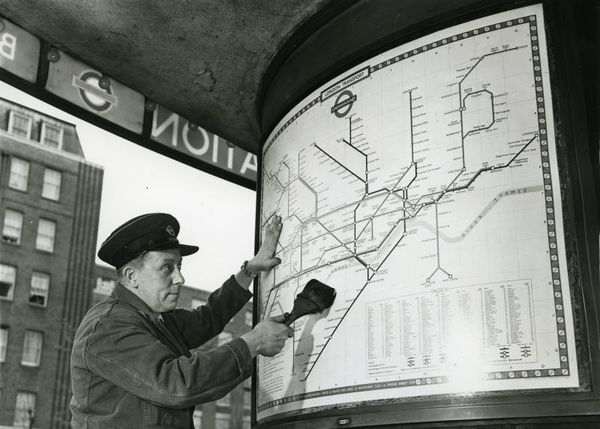


When the original London Tube map was released, travellers found it confusing and difficult to use, and this had a direct impact on how they felt about travelling on the tube.
It was a perfectly accurate representation of the system, however, with all the winding, intersecting lines and stations, the River Thames, parks and roads, it became overwhelming for people to use.
Then in 1933, Harry Beck created the basis of the modern Tube map, recognised for its uniformity of straight lines, stations spaced equally apart and removing all the non-essential landmarks.
It is not an accurate map of the system at all, but it works incredibly well.
Harry recognised that the users didn’t need accuracy, they needed to be able to make decisions easily, so they could get from A to B on time, and to feel confident doing it.
He designed the map using empathy for the user’s needs, and it transformed how people felt about the tube system, even though nothing had changed in the system itself.
The lesson - design around the needs of people and not the system, and take into account how they want to feel, as much as what they want to be able to do.


